

Buying a house is a significant milestone, but it can also be a daunting process if you’re unfamiliar with the requirements. In the Philippines, the home-buying process involves several legal and financial documents to ensure the transaction is valid and secure. Here’s a guide to the essential documents you need to prepare when purchasing your dream home.
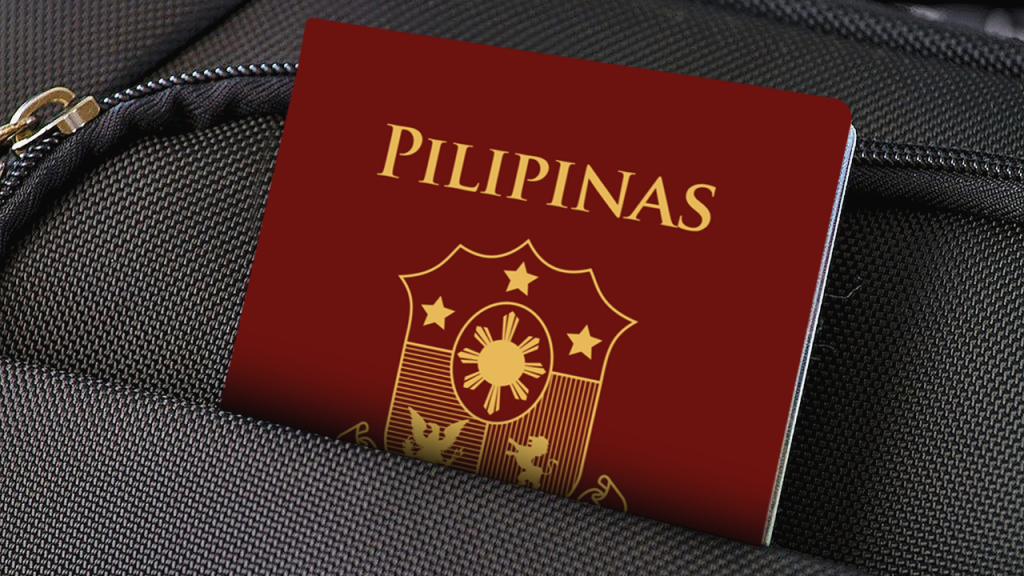
1. Proof of Identity
The first step is proving your identity. Prepare valid government-issued IDs such as:
- Passport
- Driver’s License
- UMID
- Voter’s ID
Make sure these documents are up-to-date and include your current address.

2. Certificate of Employment and Compensation (COEC)
If you’re employed, most developers or financial institutions require this document to verify your income. The COEC should state your position, tenure, and monthly income. For Overseas Filipino Workers (OFWs), an authenticated employment contract or job order may be required.

3. Proof of Income
Additional proof of your financial capability is often required. These may include:
- Latest payslips (1 to 3 months)
- Income Tax Return (ITR)
- Bank statements (at least 6 months)
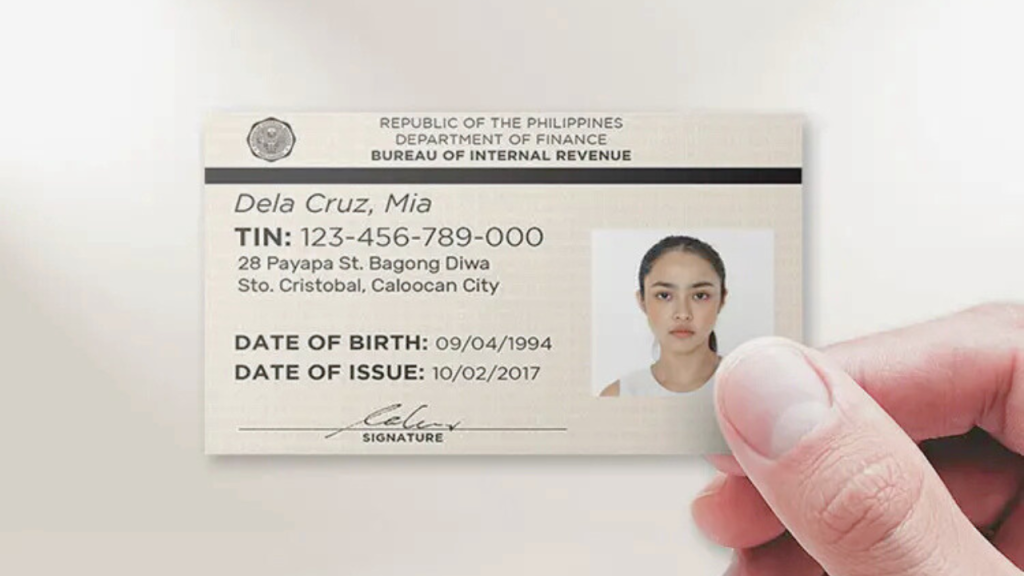
4. Tax Identification Number (TIN)
Your TIN is essential for real estate transactions in the Philippines. If you don’t have one, you can apply for it at the Bureau of Internal Revenue (BIR).
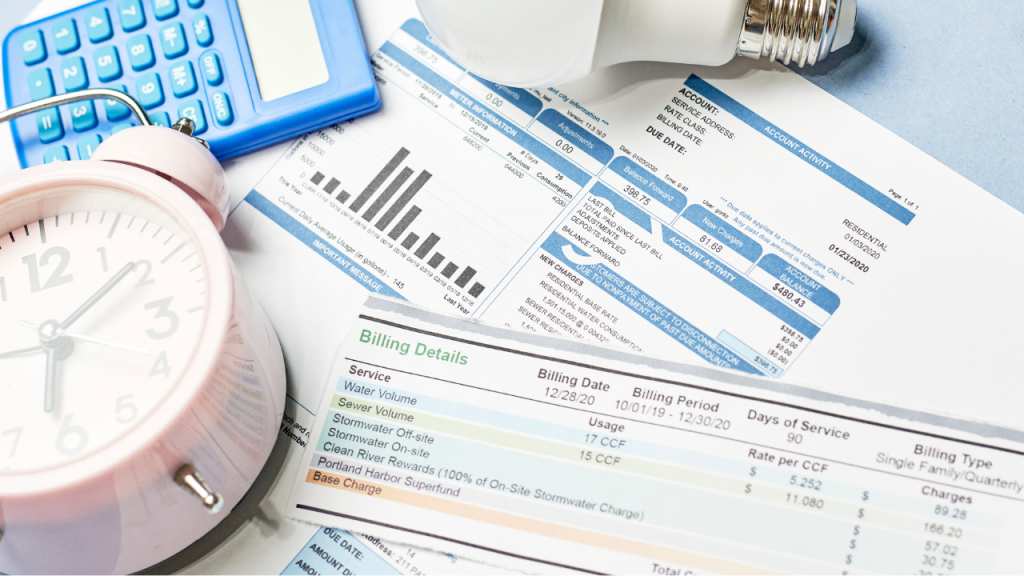
5. Proof of Billing
Developers and banks typically require proof of billing under your name or your household’s name to confirm your current residence. Examples include:
- Utility bills (electricity, water, or internet)
- Credit card statements

6. Reservation Agreement and Fee
When you decide on a property, the developer will ask you to sign a reservation agreement and pay a reservation fee. This document outlines the terms and conditions of holding the property under your name.

7. Validated Payment Receipts
Keep all validated payment receipts for initial down payments or reservation fees. These documents are proof of your transactions with the developer.

8. Notarized Special Power of Attorney (SPA) for OFWs
If you are an OFW and cannot personally attend to the transaction, appoint a representative through a notarized SPA. This document should specify the scope of authority you grant your representative.

9. Marriage Certificate (If Applicable)
If you’re married, prepare a copy of your marriage certificate, as real estate transactions require spousal consent. For properties purchased by a couple, both names may need to be on the title.

10. Title Documents and Deed of Sale
The seller or developer will prepare the following:
- Transfer Certificate of Title (TCT) or Condominium Certificate of Title (CCT)
- Deed of Absolute Sale or similar agreements
Ensure these documents are thoroughly reviewed and authenticated before proceeding.

11. Bank Loan Requirements (If Financing)
If you’re applying for a housing loan, banks will require additional documents, including:
- Loan application form
- Collateral documents (e.g., property details)
- Appraisal fees
- Income Tax Return (ITR)
- Certificate of No Marriage (CENOMAR)

12. Pag-IBIG Fund Membership Requirements
If you’re financing through the Pag-IBIG Fund, you’ll need:
- Pag-IBIG Membership ID or number
- Proof of contributions
- Housing Loan Application form

13. Barangay Clearance or Community Tax Certificate (Cedula)
Some developers or banks may ask for a Barangay Clearance or Cedula as an added layer of identification and proof of residency.

Make Your First Home a Reality with P.A. Properties
Preparing these documents in advance ensures a smooth and stress-free home-buying experience. If you’re looking for a trusted partner in your real estate journey, P.A. Properties offers quality, affordable housing options perfect for first-time buyers. With over 30 years of experience, P.A. Properties has helped countless Filipinos achieve their dream of owning a home.
Start your journey with us today! Visit P.A. Properties and find your first home that’s worth the investment.
